

A little box with a speaker in the lid
When I first started listening to music, it came from a small player. A box with a speaker in the lid, plasticky and simple, with mono sound. Everything came from the same direction. I probably didn’t think of that as a limitation at the time. That was simply how music sounded at home: the needle dropped, the record began to spin, and the room filled with sound.
Looking back, that little player feels like the start of a long journey. At first, music was something you put on. Then it became something you listened your way into, something you went looking for, and eventually something you took part in yourself. I had no plan for where music would lead me. But it did, step by step, from that little plastic mono player to a stage where I was sitting behind the drums.

My brothers’ records and the first discoveries
At first, I inherited my older brothers’ music. Their records were there, and I listened. It was a natural introduction: I didn’t have to find everything for myself. I could step into a world that had already opened up at home. Pink Floyd was among the bands that stayed with me. Especially Ummagumma, which seemed completely crazy to me.
Kiss and Rush were played often later on, but they were only a couple of examples of the bands that became part of my life. Deep Purple was also part of the music I was drawn to. I saw them live when I was just ten years old. I saw Led Zeppelin live in 1973, too. Concerts became part of my life early, before I had ever stood on a stage myself. A record could open the door to music, but seeing a band play live gave it a physical presence as well.
“Completely crazy” still feels like the right description. Ummagumma didn’t sound like an ordinary collection of songs that would pass by unnoticed. It could feel strange, vast and hard to place. You had to stay with it. For a child beginning to discover how much music could contain, it must have opened a door: rock didn’t have to follow a simple path from verse to chorus and back again. It could create a world of its own.
Emerson, Lake & Palmer became the band I listened to most. Above all, Pictures at an Exhibition. It felt bigger than an ordinary record. The music moved through different moods and images, from the grand to the playful and dramatic. To me, it wasn’t something to have on in the background. It demanded attention and rewarded you for following it.
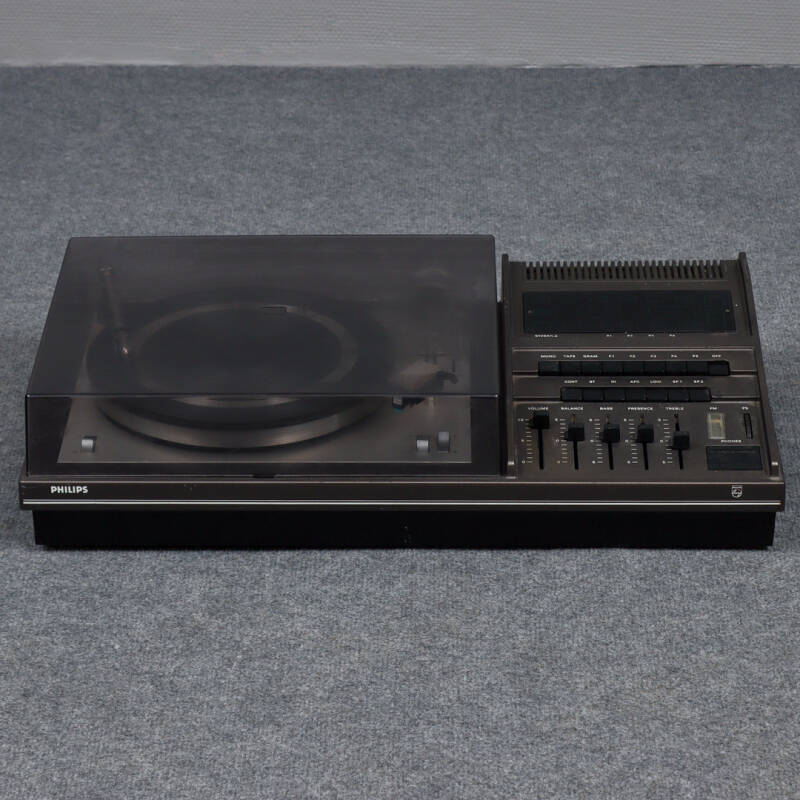
The Philips stereo from OBS in Bäckebol
At the beginning of the 1970s, my mum bought the family’s first stereo at OBS in Bäckebol. It was a Philips 66, made by Philips in Sweden. That detail stands out now that I’ve found the model again. It belongs to a particular place, a department store and a moment in time: Bäckebol, the early seventies, and the feeling of a new piece of equipment arriving at home.
Moving from the little mono player to the Philips stereo was a real step forward. Suddenly the sound could spread between the speakers. The records were the same, but the way I listened changed. Stereo made it easier to hear that a recording could have direction and space, with instruments and sounds placed in different parts of the sound picture. It must have suited music like Pink Floyd and Emerson, Lake & Palmer especially well. Their records could feel like landscapes rather than a single stream of sound.
Looking back, I see the stereo as more than a piece of furniture or a technical upgrade. It became part of my musical upbringing. I remember not only what I heard, but where I heard it and how the home changed when music had a better place in it.
From borrowed records to Rush and Kiss
Before long, I wasn’t listening only to my brothers’ music. Rush and Kiss were played often. That was an important shift: from borrowing my way into someone else’s record collection to choosing my own direction. My taste was beginning to become my own.
Rush and Kiss offered very different things. Rush could take off into long musical journeys, with technical skill and arrangements that kept your ears engaged. Kiss was more direct and visual. There were the riffs, the attitude and the strong sense that the band was also an image and a spectacle. Both gave me something to get excited about, but in different ways. There was room for complexity and immediacy at the same time.
The walls began to fill with pictures from Bravo and other music magazines. My room changed as my taste took shape. It wasn’t only about listening to music; it was also about surrounding myself with it. The posters and pictures kept the artists present even when the record player was switched off. They showed what I liked, what I dreamed about and the world I wanted to feel close to.
When you’re young, a room can become a universe of its own. The records, pictures and drums all belonged together. Music was in my ears, on the walls and in my body. It was no longer just something coming from the stereo.
There was something in the repetition, too. You could play the same record again and again, learn its small details and wait for a particular drum fill or passage that always gave you the same thrill. A record became familiar, but never exhausted. New pictures went up on the wall and new bands took over the record player, but the old ones didn’t disappear completely. Pink Floyd could remain in the background of my memory while Rush or Kiss became what I was playing at that moment.
The drums made music physical
I was already playing drums back then. That meant my relationship with music had two sides from early on: I was a listener, but also a musician. When you play yourself, you often begin to hear music differently. You notice the pulse, the hits, the transitions and the way the drums hold a band together. A song isn’t only something you feel; it’s also something you try to understand with your hands and feet.
If you listen to a lot of music where the drums play a strong role, it’s easy to get drawn into the craft itself. Carl Palmer’s playing in Emerson, Lake & Palmer and Neil Peart’s drumming in Rush may have been inspiring examples, even though every young drummer finds their own way. There was precision, energy and a sense that the drums could do more than keep time. They could shape the drama and change the way the music moved.
I didn’t have to wait long for music to become something I did with other people. The band I played in was called Whatch Out, and my drum kit was a STAR. My first live gig was in 1974. I was 13 years old.

Thirteen years old and my first live gig
That sentence holds a lot. By the time I was thirteen, I had already listened my way through several musical worlds, found my own favourites, filled the walls with pictures and started playing drums. Then came a live gig with Whatch Out. Music was no longer something that only existed at home or in my headphones; now it had to be performed in front of people. I played a STAR drum kit.
I don’t know if I understood how young I was at the time. I was probably thinking mostly about the gig itself. But looking back, I can see how quickly music had moved from an interest to an action. Playing live means being part of a shared moment. You have to listen to the others, hold your place and keep going even when everything is happening at once. It takes a different kind of concentration from putting a record on the turntable.
That first gig became a dividing line between dreaming about music and standing right in the middle of it. I had gone from looking at pictures of artists on the wall to being one of the people making music in front of an audience. Not as a star, but as a thirteen-year-old drummer who had been given the chance to play live. That can be enough to open a door that never quite closes again.
A gig also teaches you that music isn’t made alone. Even when you’re sitting at the back keeping time, you have to be alert to the way everyone plays together. There’s a responsibility to hold your part together while staying open to what the others are doing. I had already listened to the way bands built power and tension. Now I got to experience the presence, courage and trust it also took to play yourself.
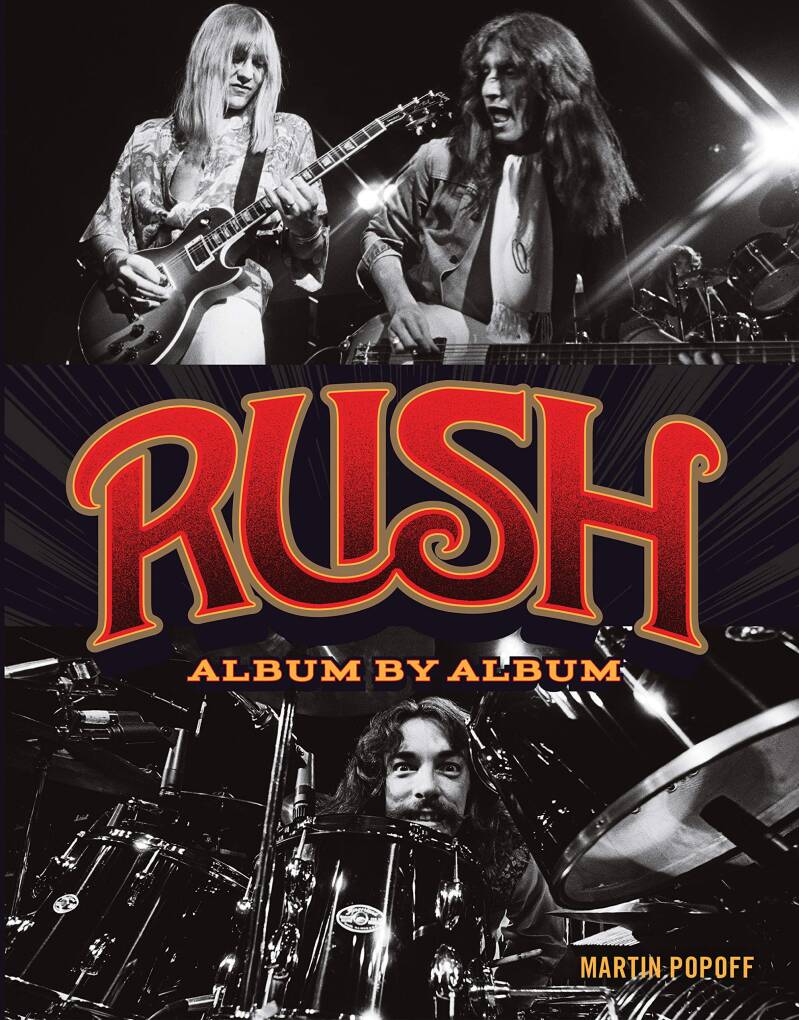
A path that began at home
When I put these memories together, I see a clear progression. First, the little mono player with the speaker in the lid. Then my brothers’ records and the discovery of Pink Floyd and Emerson, Lake & Palmer. After that came my mum’s Philips 66 stereo from OBS in Bäckebol. I saw Deep Purple live when I was ten. Rush and Kiss were among the bands I played often, the walls filled with pictures from Bravo, and I was playing drums in Whatch Out on a STAR kit. In 1974, I stood on stage for the first time, aged thirteen.
It’s easy to describe all of this as a succession of gadgets, records and bands. But the thread running through it is how music gradually became more and more my own. It started as something I was introduced to through my family. I began listening for the things that spoke to me. I made the room my own, and I took my own place in music by playing.
Maybe that’s why I remember the details so well. A stereo isn’t just a stereo when it stands at the beginning of your musical life. A record isn’t just a record when it opens up a new sound world. A live gig isn’t just a performance when you’re thirteen and suddenly helping to make the music yourself.
It all began in a little box with a speaker in the lid. Then the sound grew, the room grew, and so did my own part in it. From mono to stereo, from my brothers’ records to Rush and Kiss, from pictures on the wall to the stage. I began as a listener. But music turned me into something more at an early age.

By Chris...
Add comment
Comments